
Why Your Gel Nails Lift After 3 Days And How to Fix It
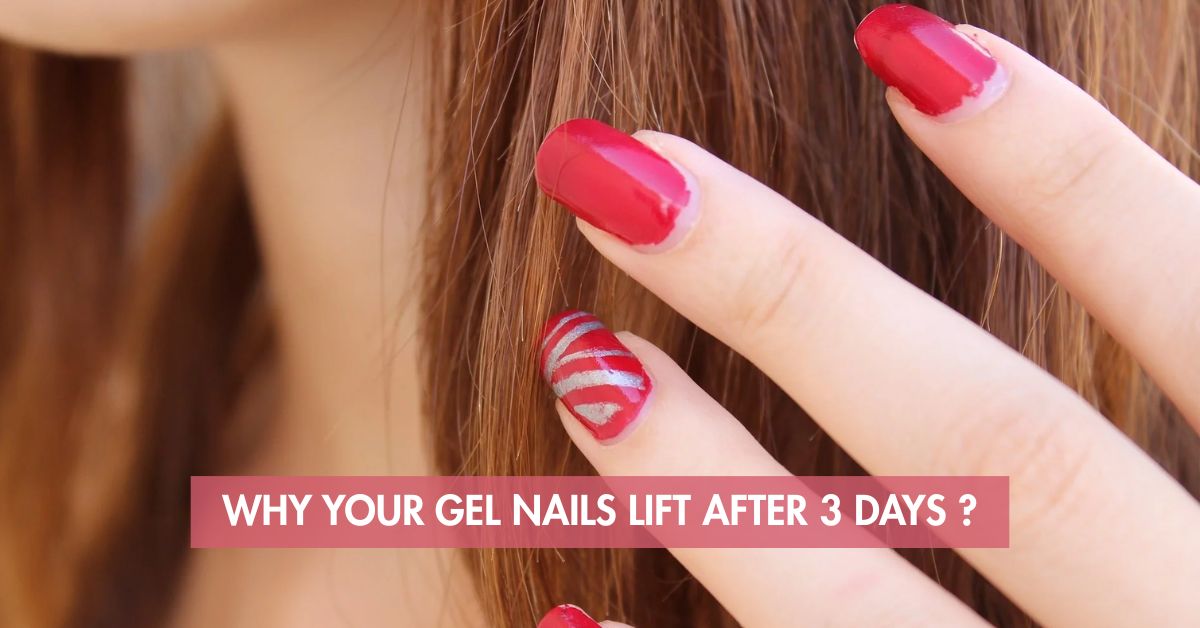
You just finished your gel manicure. Your nails look shiny, smooth, and salon perfect. But just three days later, the edges start lifting.
Gel nails are supposed to last 2 to 3 weeks. If yours are peeling after only a few days, something in the process is not right. The good news is that most lifting problems can be fixed.
Let S&L Beauty help you discover the real reasons your gel nails are lifting and how to prevent it from happening again.
What Is Gel Nail Lifting?
Gel nail lifting is when the gel polish separates or detaches from the natural nail surface after application. Instead of staying firmly bonded to the nail plate, the gel begins to lift at the edges, around the cuticle area, along the sidewalls, or at the tip of the nail.
Once lifting starts, small gaps form between the gel and the natural nail. Air and moisture can enter these spaces, which often makes the peeling worse and shortens the lifespan of your manicure. If not fixed, lifting can lead to chipping, cracking, or even potential nail damage.
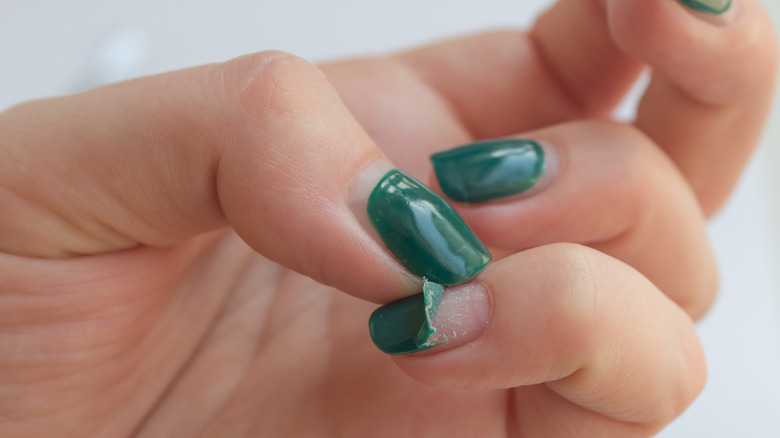
Lifting happens when gel polish separates from the natural nail surface
7 Reasons Your Gel Nails Lift After 3 Days
1. Poor Nail Preparation
The number one cause of lifting is improper nail prep.
If the nail surface still has oil, dust, moisture, or leftover cuticle, the gel will not adhere properly.
How to fix it
-
Push back and remove cuticle from the nail plate.
-
Lightly buff away the natural shine.
-
Clean the nail with cleanser or alcohol before applying base coat.
Good prep determines durability.

2. Skipping Primer or Using Too Much
Primer creates a bonding layer between the natural nail and the gel:
- Too little leads to weak adhesion.
- Too much can cause product buildup and lifting.
How to fix it
Apply a thin and even layer of primer and allow it to air dry completely before applying base coat.

3. Applying Thick Layers
Thick gel layers do not cure evenly. The top may feel dry while the inside remains soft, leading to lifting within days.
How to fix it
-
Apply thin layers.
-
Use a thin base coat.
-
Apply two thin color coats instead of one thick coat.
-
Finish with a thin top coat.
4. Not Curing Long Enough
Low wattage lamps or short curing times can cause under curing.
Signs of under curing include wrinkling, early peeling, and easy removal.
How to fix it
-
Use a quality LED lamp.
-
Follow the recommended curing time.
-
Make sure your hand is fully placed inside the lamp.

5. Flooding the Cuticle Area
If gel touches the skin or cuticle, it creates a lifted edge after curing.
How to fix it
-
Leave a small gap between the gel and the cuticle.
-
Clean the edges with a small brush before curing if needed.

6. Not Sealing the Free Edge
The free edge experiences daily impact. If it is not sealed, peeling usually starts there.
How to fix it
Swipe a thin layer of base coat, color, and top coat across the tip of the nail to seal it.
7. Naturally Oily Nails
Some people naturally have oilier nail beds, which can affect adhesion.
How to fix it
-
Use a nail dehydrator before primer.
-
Avoid lotion or cuticle oil before application.
-
Wash and dry hands thoroughly before starting.
How to Make Gel Nails Last 2 to 3 Weeks
Follow this durability checklist
-
Proper cuticle removal
-
Light buffing
-
Clean nail surface
-
Thin layers only
-
Correct curing time
-
Seal the free edge
-
Avoid water exposure for one to two hours after application
When done correctly, gel nails should last 14 to 21 days without lifting.
Can You Fix Lifting Without Removing Everything
If the lifting is minor and only appears at the edge of the nail, you may not need to remove the entire manicure. In this case, gently file away the lifted area, then clean and dehydrate the nail thoroughly. Reapply a thin layer of base coat, followed by color and top coat, and cure properly according to the recommended time.
However, if the lifting is widespread or extends deep toward the cuticle, full removal is the safer option to prevent moisture from getting trapped underneath the gel.
When the Problem Is the Product
Sometimes the issue is not your technique but the quality of the products you are using. Common product related causes include a weak base coat, a low power lamp that does not cure properly, incompatible gel formulas, or a poor quality top coat.
If you consistently experience lifting even after following proper prep and application steps, it may be time to upgrade to a higher quality gel system for better and longer lasting results.
Final Thoughts
Gel nails lifting after three days is truly frustrating, but it rarely happens randomly. In most cases, the issue comes down to nail preparation, layer thickness, curing, and product quality. By improving these four factors, your gel manicure can easily last two to three weeks.

Leave a comment
This site is protected by hCaptcha and the hCaptcha Privacy Policy and Terms of Service apply.