
Article: UV Lamp vs LED Lamp: Which Is Better and Safer for Gel Nails?
UV Lamp vs LED Lamp: Which Is Better and Safer for Gel Nails?

Written by Sharly Le, a Toronto-based nail tech with 5 years of salon experience specializing in gel and builder systems.
If your gel nails keep lifting, peeling, staying sticky, or curing unevenly, the problem may not be your polish. Your lamp could be incompatible with the gel formula.
Choosing between a traditional UV lamp, an LED lamp, or a hybrid UV/LED lamp affects curing time, product compatibility, nail durability, and your overall manicure experience. The most important factor is not the lamp label or wattage alone—it is whether the lamp’s output matches the gel manufacturer’s curing requirements.
Quick answer: For most home users, a dual-wavelength UV/LED lamp is the most versatile option. However, no lamp is guaranteed to cure every gel product. Always follow the gel brand’s instructions and use thin, even layers.
[Explore the best lamp for gel nails]
What Is the Difference Between UV and LED Nail Lamps?
Both traditional UV and LED nail lamps cure gel products through a process called photopolymerization. Light activates photoinitiators in the gel, starting a chemical reaction that hardens the product.
The main difference is the light source:
-
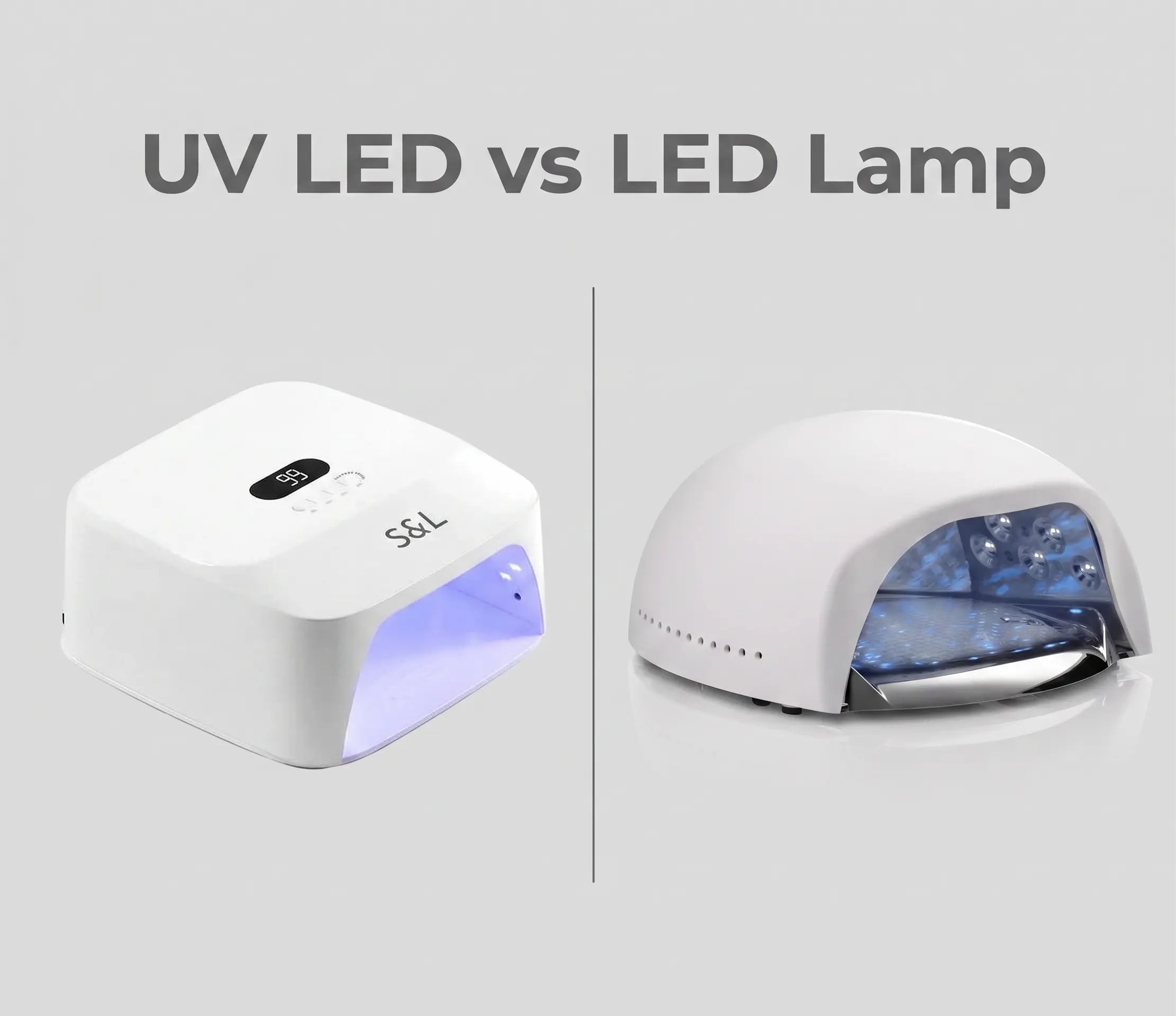
Traditional UV lamps generally use fluorescent bulbs and emit a broader range of UVA light.
-
LED lamps use light-emitting diodes and often emit more focused wavelengths.
-
Dual-wavelength UV/LED lamps combine different wavelength bands to support a wider range of gel formulas.
Many LED nail lamps emit UVA-range light, so the term “LED” does not mean the lamp is UV-free. Both types should be used according to the manufacturer’s instructions.
Why Wavelength Matters
I once spent an hour filing off a client's builder gel because the center had completely wrinkled and stayed wet. Her at-home lamp just didn't have the irradiance to penetrate the thicker layer. Compatibility isn't just a suggestion, it saves you from a sticky, ruined manicure.
Different gel formulas contain different photoinitiators. These ingredients respond most efficiently to particular parts of the UVA or violet-light spectrum.
I’ve watched a perfectly good gel fail because someone mixed brands and assumed any lamp would cure it. If the lamp and gel are not compatible, the surface may appear hard while the product underneath remains undercured. This is more likely with thick layers, dark colours, heavily pigmented gels, builder gels, or products used outside the manufacturer’s recommended system.
Undercured gel can contribute to:
-
Lifting around the cuticle or sidewalls.
-
Wrinkling or shrinking.
-
Chipping and premature wear.
-
Soft or flexible areas beneath a hardened surface.
-
Increased exposure to reactive ingredients in the uncured product.
A lamp that is compatible with one gel brand may not provide the same results with another. Check the product label, technical instructions, or the brand’s recommended lamp before starting your manicure.
Check Out Gel Nails at Home: A Simple DIY Guide for Beginners
UV vs LED vs Hybrid Lamps
Category |
Traditional UV lamp |
LED lamp |
Dual-wavelength UV/LED lamp |
| Best for |
Gel products tested for traditional UV lamps |
Gels tested for the lamp’s wavelength range |
Users who want broader potential compatibility |
| Typical cure speed | Usually slower |
Often faster |
Often fast |
|
Compatibility |
Depends on the bulb output and gel formula |
Depends on wavelength, irradiance, and gel formula |
May support more products, but is not universal |
|
Main advantage |
Can work well with compatible older systems |
Shorter curing cycles and convenient operation |
Flexible option for users who rotate between products |
|
Main limitation |
Longer exposure and bulb replacement |
May not cure every UV-compatible formula |
Still needs to match the product manufacturer’s requirements |
A hybrid lamp can reduce compatibility guesswork, but it does not automatically cure all gel products. The lamp’s wavelength range, irradiance, bulb placement, exposure time, and coverage all affect the result.
Why Gel Compatibility Matters
Gel polish is not a universal product category. Some formulas are designed for a particular wavelength range or lamp system, while others are tested with both traditional UV and LED devices.
Before buying a lamp, look for:
-
The gel brand’s recommended lamp type.
-
The recommended wavelength range.
-
The required curing time.
-
Any special instructions for builder gel, hard gel, or thick products.
-
Warnings about curing dark or highly pigmented shades.
Is Sticky Gel Always Undercured?
No. Some gels intentionally leave a sticky inhibition layer after curing. This layer is normal and may need to be wiped with the product’s recommended cleanser.
Other products, such as many no-wipe top coats, are designed to finish without a sticky layer. Always follow the product instructions instead of using tackiness alone to determine whether a gel has cured properly.
If the gel remains soft, dents easily, wrinkles, separates, or feels wet underneath, stop using it until you confirm that the lamp and product are compatible.

Are UV and LED Nail Lamps Safe?
Gel-curing lamps expose the hands to UVA-range light. Traditional UV and LED labels describe the light source, but both types can emit ultraviolet radiation. LED lamps often cure gel faster, which may shorten the time your hands spend under the lamp, but a faster cycle does not automatically mean lower total UV exposure.
Current research has not established a clear, significant skin-cancer risk from typical gel manicures, but the available evidence is limited and the risk is not considered completely zero. A 2025 scoping review in the International Journal of Dermatology found that a direct causal link between UV nail lamps and carcinoma development has not been conclusively established. Additionally a 2014 JAMA Dermatology study, concluded that the UVA exposure from bi-weekly gel manicures likely isn't high enough to significantly increase skin cancer risk.
If you have frequent gel manicures or want to reduce unnecessary UVA exposure:
-
Apply a broad-spectrum, water-resistant SPF 30 or higher to the exposed skin on your hands approximately 20 minutes beforehand.
-
Wear dark, opaque, fingerless UV-protective gloves.
-
Follow the recommended cure time instead of repeatedly curing the same layer.
-
Avoid placing your hands under the lamp for longer than necessary.
-
Do not use a lamp with damaged bulbs, cracked housing, or inconsistent output.
-
If you have a history of photosensitivity or a skin condition affected by UV light, ask a healthcare professional for personalized advice.
The nail plate itself should remain free of sunscreen so the gel can adhere properly.
To keep risk minimal:
-
Use a fast-curing lamp to reduce total exposure time.
-
Apply broad-spectrum SPF 30+ to your hands 20 minutes before curing.
-
Wear UV-protective fingerless gloves to significantly reduce UVA exposure to the skin.
[Shop the Gel Manicure UV Gloves]

Do I Need a UV Lamp, or Can I Use LED?
You need a curing lamp that is compatible with your specific gel—not necessarily a traditional UV lamp.
A compatible LED lamp may cure many modern gel products efficiently. A traditional UV lamp may work with products designed for broader UV output. A dual-wavelength UV/LED lamp may be the most practical choice if you use several brands, but you should still verify the requirements for each product.
For reliable results:
-
Check the gel manufacturer’s recommended wavelength and cure time.
-
Apply thin, even layers.
-
Keep gel off the surrounding skin.
-
Position each nail fully inside the lamp.
-
Cure thumbs separately if they are angled away from the light. Thumbs were the #1 thing I had to correct with new techs. The angle means they sit outside the light path.
-
Follow special instructions for builder gel and thick enhancements.
-
Never rely on extra wattage to compensate for an incompatible lamp.
How Long Should Gel Polish Cure?
Cure times vary according to the gel formula, colour, layer thickness, lamp output, and product instructions. As a general guide:
-
LED or hybrid lamps often cure many base coats, colors, and top coats in approximately 60 seconds per layer.
-
Traditional fluorescent UV lamps may require approximately 120 seconds per layer.
These are general ranges, not universal rules. Dark colours and thicker products may require a longer or specially specified cure cycle. Always use the manufacturer’s recommended time first.
What Is a Heat Spike?
A heat spike is a sudden, uncomfortable sensation caused by rapid heat release during gel curing. It is more common with thick layers, builder gel, hard gel, or high-output lamps.
I’ve had clients pull their hand out mid-cure more times than I can count. It’s almost always too much product, not the lamp.
To reduce discomfort:
-
Apply thinner layers.
-
Use the lamp’s low-heat or gradual-cure setting.
-
Remove your hand briefly if the product becomes painful.
-
Do not continue curing through significant pain.
-
Check whether the product is being applied too thickly.
Why Wattage Is Not Everything
Wattage is one of the least reliable ways to compare nail lamps. A higher wattage does not automatically mean better curing.
Curing performance also depends on:
-
Wavelength compatibility.
-
Irradiance at the nail surface.
-
Light distribution.
-
Bulb placement.
-
Lamp shape and internal reflectors.
-
Exposure time.
-
Gel thickness and pigmentation.
-
The age and condition of the bulbs or LEDs.
A well-designed 48W lamp with suitable wavelength output and even coverage may perform better than a higher-wattage lamp with poor bulb placement or dark areas.
When comparing lamps, look for:
-
Evenly distributed LEDs around the sides and top.
-
Coverage for thumbs and side nails.
-
Multiple timer settings.
-
A low-heat mode.
-
Automatic motion sensors.
-
A removable base for pedicures and cleaning.
-
Clear wavelength and compatibility information.
-
Instructions that explain which gel products the lamp is designed to cure.
Recommended UV/LED Lamp
S&L 48W UV/LED Pro Nail Lamp
The S&L 48W UV/LED Pro nail lamp uses 33 LED beads positioned around the sides and top for even coverage, including thumbs. Four timer settings (10, 30, 60, and 99 seconds) plus a low-heat mode let you match cure time to the product. The base plate removes easily for pedicures. It’s built for the dual-wavelength range (wavelength 365+405nm) that most modern gel systems specify, including builder gels.
Best for: Home users looking for a versatile lamp with automatic sensors, multiple timer settings, and coverage for both manicures and pedicures.
[Shop the S&L 48W UV/LED Nail Lamp]

Best All-in-One Option for Beginners
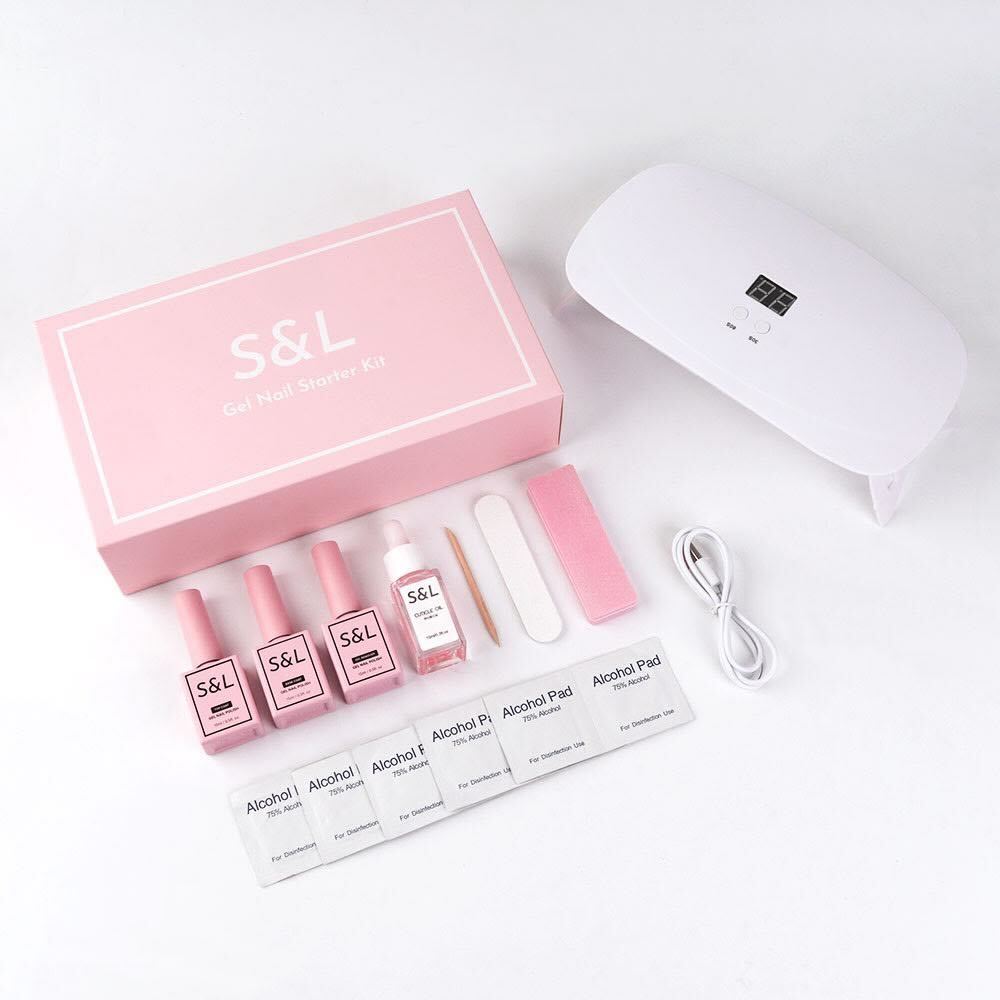
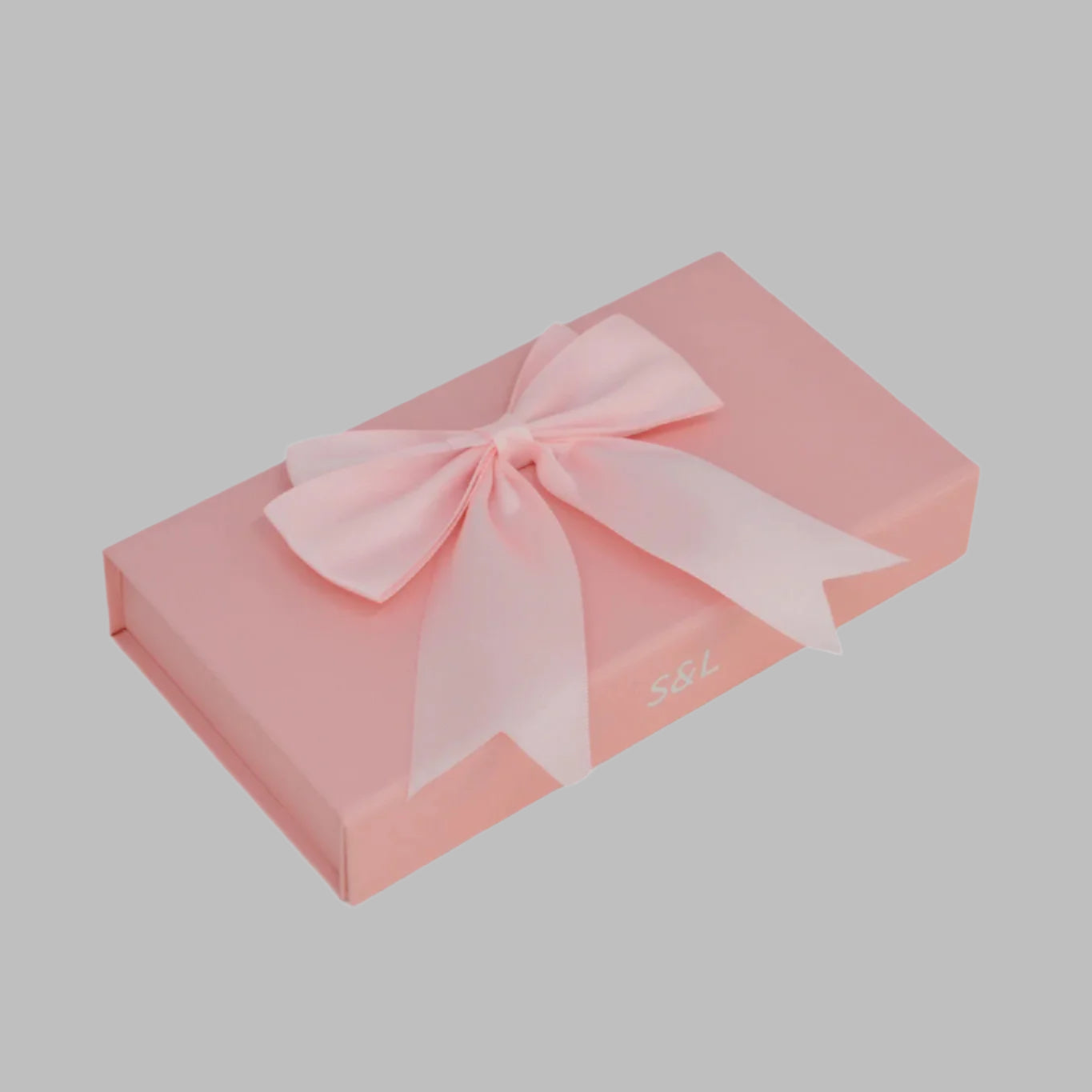
S&L Complete Gel Nail Starter Kit Upgraded
Beginners may prefer a complete kit instead of purchasing a lamp, gel products, and nail-preparation supplies separately.
The S&L Complete Gel Nail Starter Kit Upgraded includes:
-
A foldable compact UV/LED lamp.
Using products from one coordinated system can make the learning process easier because you are following one brand’s application and curing instructions. It does not completely eliminate curing risk, so apply thin layers and use the recommended lamp settings.
Why Beginners May Prefer a Kit
-
It reduces the number of separate products to research.
-
The included items are designed to be used as one system.
-
It provides the basic tools needed for a first manicure.
-
The instructions may be easier to follow than combining several brands.
-
Buying a set may cost less than purchasing every item separately.
[Shop the S&L Complete Gel Nail Starter Kit]

Quick Compatibility Checklist
Before purchasing a lamp or beginning your next gel manicure:
-
Check the gel brand’s required wavelength and cure time.
-
Choose a dual-wavelength lamp if you use multiple compatible gel systems.
-
Prioritize lamp coverage and even light distribution over maximum wattage.
-
Use thin, even coats, especially with builder gel and dark colours.
-
Cure thumbs separately if they do not sit directly beneath the light.
-
Do not treat a normal sticky inhibition layer as proof of undercuring.
-
Keep gel off the surrounding skin.
-
Use SPF 30+ sunscreen or opaque fingerless gloves to reduce UVA exposure.
-
Replace products or stop using them if you develop itching, redness, swelling, blistering, or other irritation.
Final Verdict
Buy a dual-wavelength UV/LED lamp. It cures the widest range of modern gel systems, including builder gels, and it’s the only category that doesn’t lock you into one brand’s chemistry. Check your gel’s stated wavelength before you buy — even a hybrid isn’t universal.

Leave a comment
This site is protected by hCaptcha and the hCaptcha Privacy Policy and Terms of Service apply.