
Skip to content

Cart

Your cart is empty

NewUpgraded

S&L Complete Gel Nail Starter Kit Upgraded

Sale price$60.00 USD Regular price$100.00 USD

Special Offer

Get 1 FREE gel polish color of your choice from over 100+ shades:

  1. Add the Starter Kit to your cart
  2. Choose your favorite color
  3. Discount applies automatically at checkout

Pick your free color before you check out. 

Everything you need for salon-quality gel nails at home

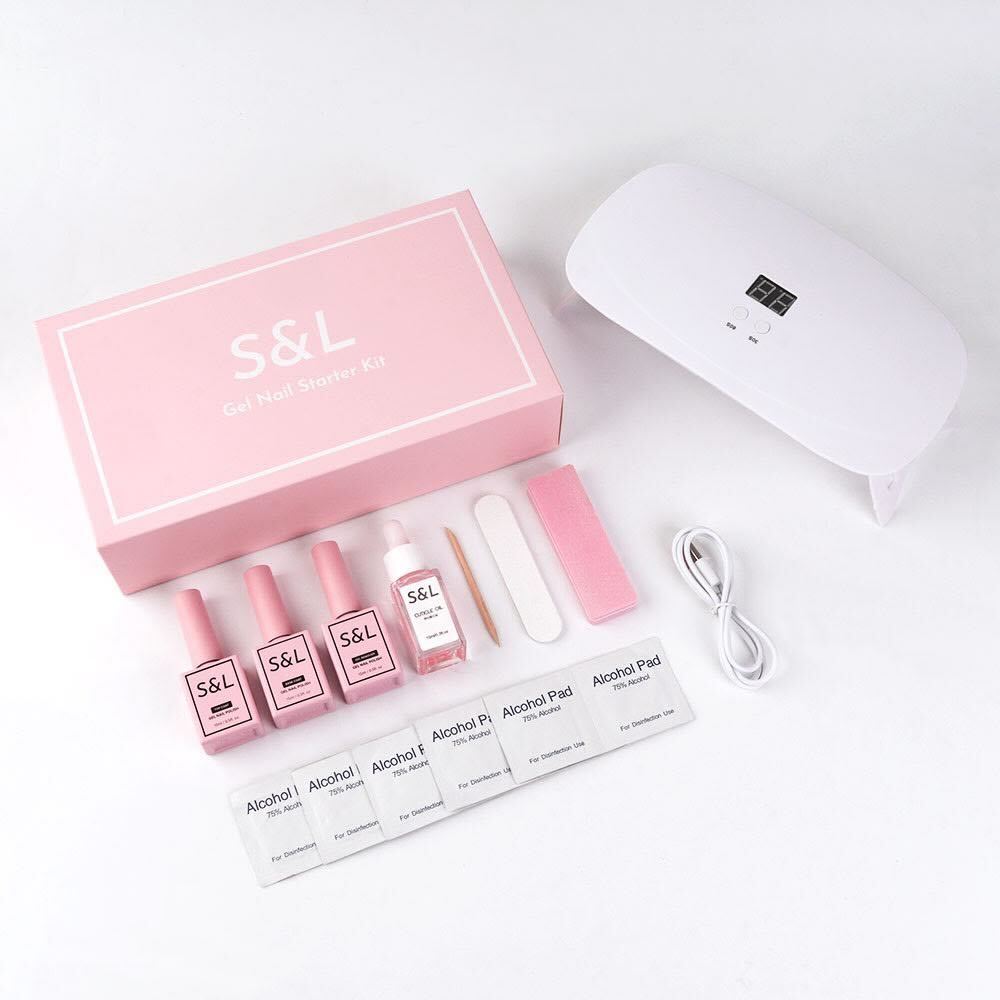
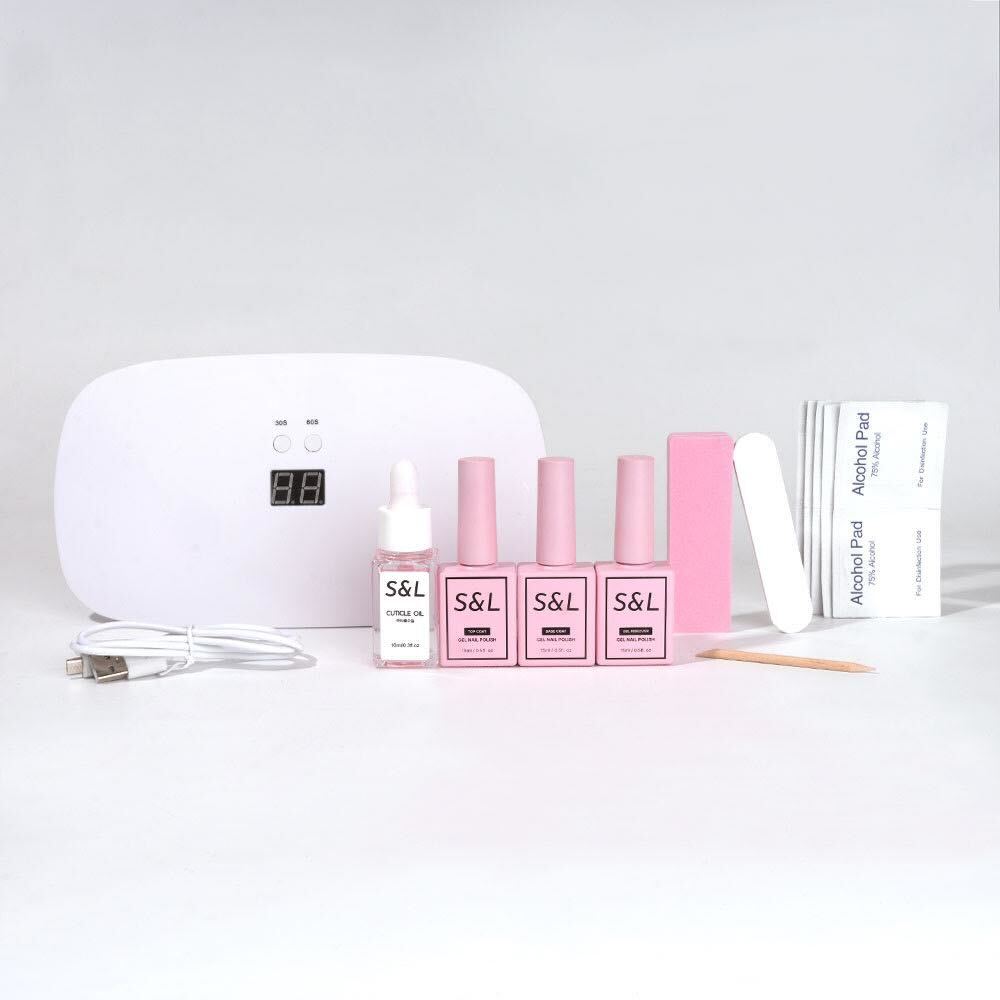
The S&L Beauty Complete Gel Nail Starter Kit gives you everything you need to create long-lasting, glossy gel nails at home, even if you’re a beginner. A complete start-to-finish system: prep, base, color, cure, top coat, and safe removal. Nothing else to buy.

No guessing. No extra purchases. No complicated steps.

With normal application, expect 2+ weeks of chip-free wear.

Removal without the acetone soak

No cotton. No foil. No clips. No bowl of acetone.

File the top coat, brush on the S&L Easy Gel Remover, wait five minutes, wipe off.

Who this kit is for

First-time DIYers. You've never done gel and don't want to buy six things from five brands to find out if you like it. Everything here is matched to work together, so if a set goes wrong you can actually diagnose why.

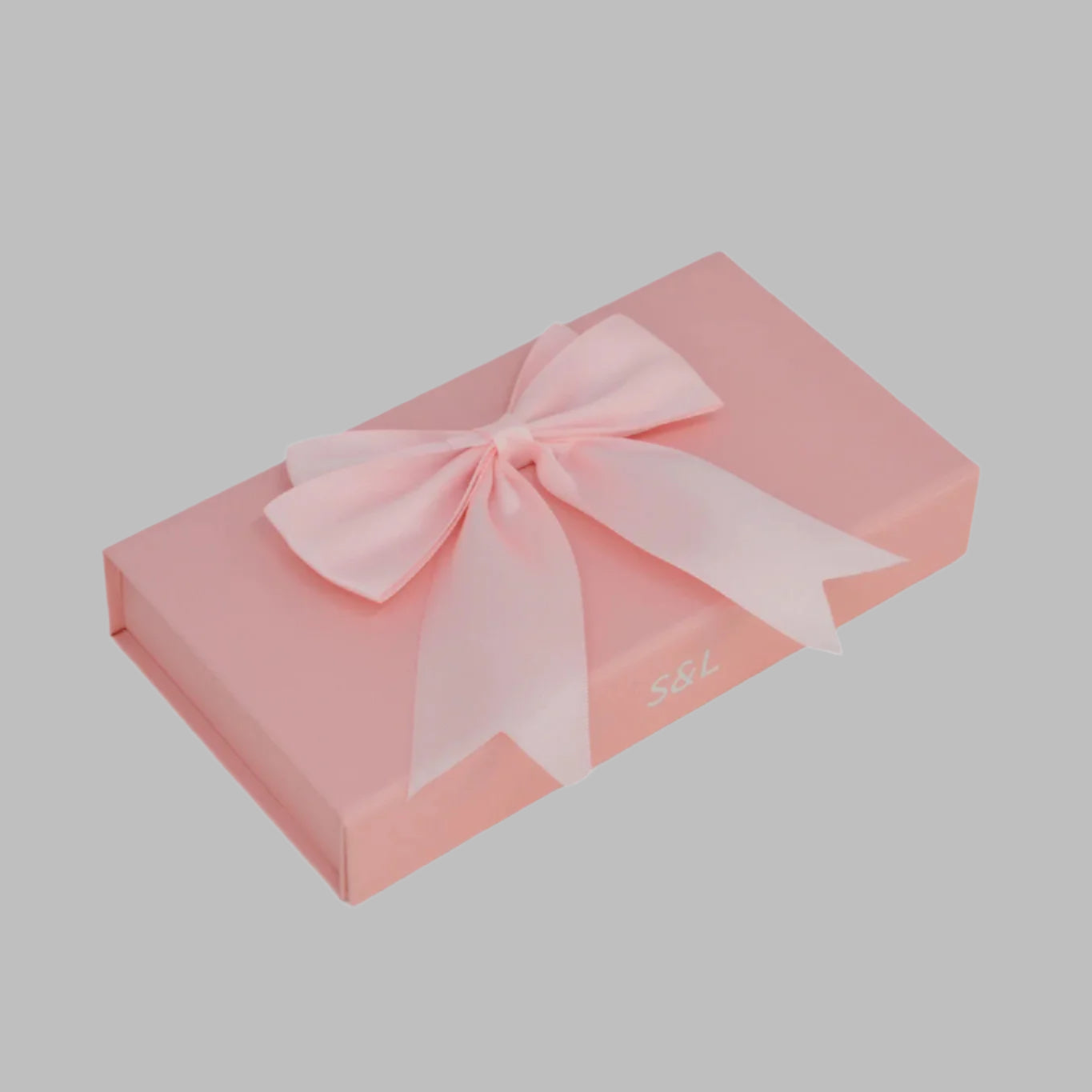
Gift Buyers. Complete system, gift-ready packaging, and the free color you think they would like. Popular for birthdays, holidays, Mother's Day, and graduations.

Anyone who can't get to a salon on schedule. New parents, shift workers, students, and anyone outside easy reach of a good salon. A full set takes about 25 minutes at your kitchen table.

What it actually costs compared with the salon

A basic gel manicure runs $30–$60 USD in most US cities, every two to three weeks. This kit contains enough base, top coat, and color for roughly 25 full manicures.

Two salon visits and it's paid for. Everything after that is the cost of one bottle of polish.

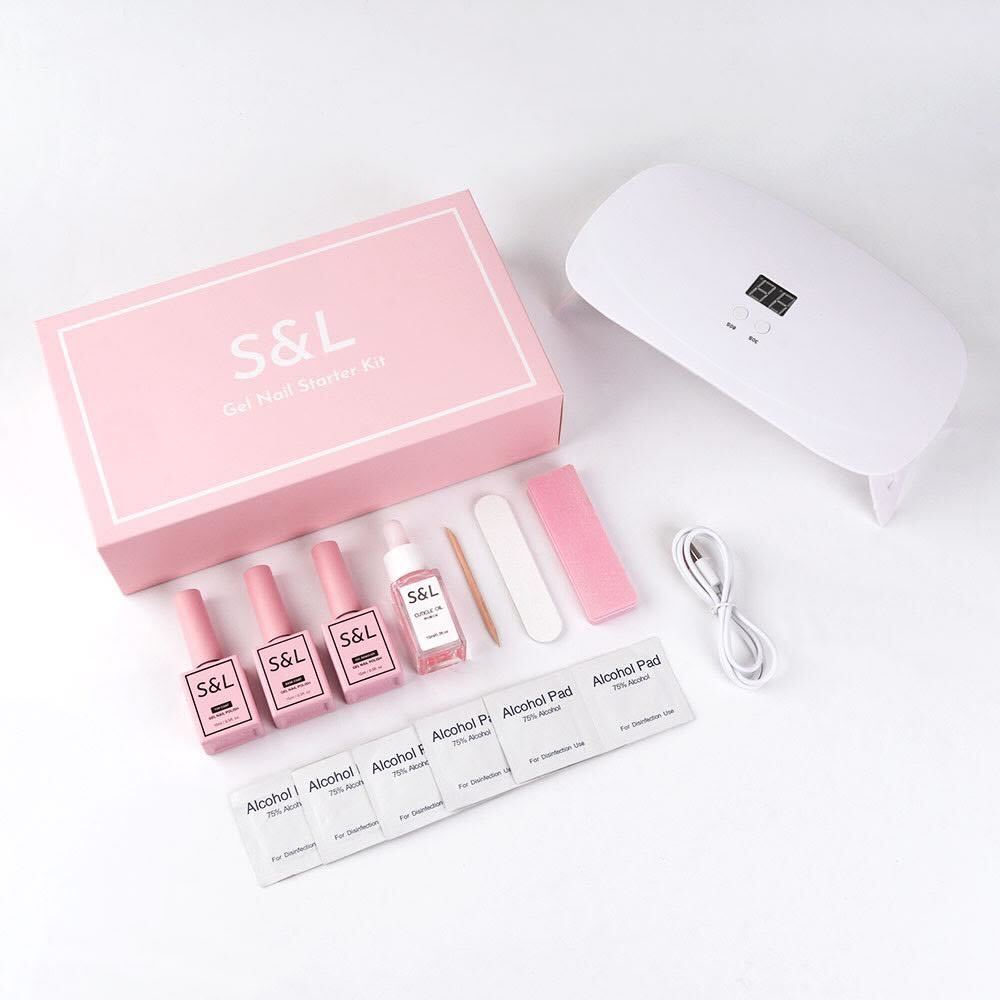
Gel Nail Kit with UV Lamp and S&L gel nails polish for professional-quality nail care at home.
S&L Complete Gel Nail Starter Kit Upgraded Sale price$60.00 USD Regular price$100.00 USD
What's Inside

Prep

  • Cuticle Pusher (orange stick)
  • Nail File 180 grit
  • Nail buffer
  • Alcohol Pads (10 pcs)

Apply & Cure

Remove & Care

Return Policy

Within 30 days if unused and unopened. See details.

Shipping & Delivery

Free shipping on orders over $50 USD. See details.

Need help?

Frequently Asked Questions

Why is my gel polish peeling off so quickly?

Peeling almost always comes from prep or curing, not the polish itself. The five most common causes:

1. Oil left on the nail plate. Natural nail oil is the number one cause of lifting. Buff the surface lightly, then wipe every nail with an alcohol pad and don't touch them again before applying base coat.

2. The free edge wasn't capped. Run a thin swipe of base, color, and top coat along the tip of each nail. Uncapped edges lift within days, and once one corner catches, the whole nail peels.

3. Gel touching the cuticle or sidewalls. Gel needs to sit on the nail plate, not the skin. Leave a hairline gap around the cuticle. Anything that touches skin has nothing to bond to and starts lifting immediately.

4. Coats applied too thick. A thick coat leaves uncured gel underneath, which stays soft and peels away in a sheet. Two thin coats always outlast one thick one.

5. Under-curing. Cure each layer for the full 60 seconds under an LED/UV lamp, hand flat and fully inside. Thumbs are the usual culprit, they sit at an angle and get less light, so cure them separately.

If your gel peels off in one clean piece rather than chipping, that points to prep. If it stays tacky or dents easily, that points to curing.

Why do my nails sting or feel hot under the lamp?

The heat comes from the gel, not the lamp. Curing is a chemical reaction that releases heat as it happens, and the thicker the layer, the more heat comes off at once. It usually hits a few seconds into the cure, peaks, and passes.

The fix is almost always thinner coats. Two paper-thin layers of color cure cooler and last longer than one thick one, and a thick base coat is the most common cause of a sharp spike. If you have naturally thin or heavily buffed nails you'll feel it more than most people. Less nail plate between the reaction and the nail bed.

If a spike does hit mid-cure, slide your hand out for a few seconds and put it straight back in and ensure it's fully cured. Under-curing is the single most common cause of gel failing early.

If one specific finger burns every time while the others don't, that's usually gel sitting on skin at the sidewall rather than a lamp problem.

Why do my nails feel bendy right after I take the gel off?

Nails that feel soft or bendy immediately after gel removal are almost always dehydrated, not damaged. Removing gel strips oil and water out of the nail plate, and a dry nail flexes far more than a conditioned one. It firms back up on its own within about a day.

How to tell dehydrated from actually thin. Dehydrated nails feel bendy but look normal — same thickness, same colour, and they're back to normal by the next morning. Thinned nails stay flexible after a few days, and you can usually see it: the plate looks more translucent than it used to, or you can make out the shape of the nail bed through it. If they're firm again tomorrow, nothing went wrong.

Why the S&L method is gentler on this. The S&L Easy Gel Remover is brushed on rather than soaked. It's still acetone-based (that's what dissolves gel) but your nails and the skin around them spend a fraction of the time in contact with solvent compared with wrapping fingertips in acetone-soaked cotton and foil for fifteen minutes. Apply the cuticle oil from the kit as soon as you've wiped the last of the gel off.

What actually thins nails is mechanical, not chemical. Filing too far into the nail plate during prep, buffing aggressively, or scraping cured gel off with a metal tool when it hasn't released.

On taking breaks. Worth doing, but not for the reason you usually hear. Nails don't breathe; the plate is dead keratin and gets everything it needs from the nail bed underneath. A break helps because it stops the filing-and-buffing cycle and gives the plate time to rehydrate and firm up.