
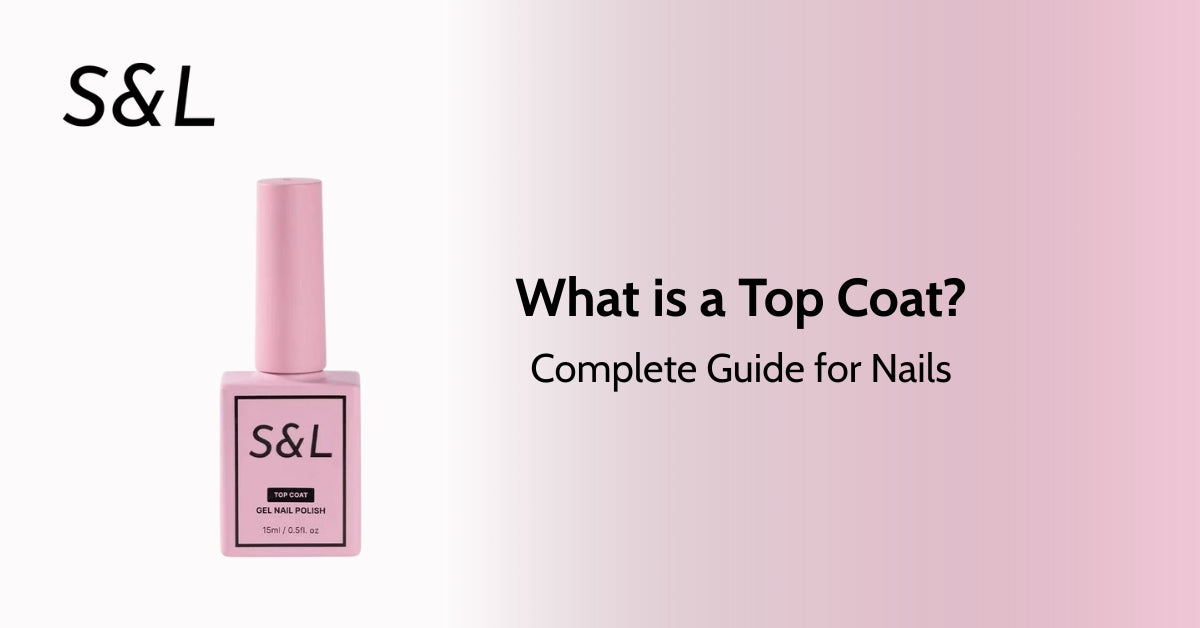
What is a Top Coat? Complete Guide for Nails
Whether you are using traditional polish or a gel top coat, this final layer is an essential step for achieving professional results. A high-quality top coat serves as the ultimate “shield,” locking in color, delivering a brilliant shine, and ensuring your nails can withstand daily wear. In this article, S&L Beauty will explain exactly what a top coat is, the science behind how it works, and how to choose the product that best suits your needs.
What is a Top Coat?
A top coat is a clear, protective liquid formula applied as the final step in a manicure to seal the nail polish and create a hard, durable surface. While it may look similar to a base coat in the bottle, its chemical structure is entirely different; it is engineered to be a tough external barrier rather than an adhesive anchor. Its primary role is to act as armor for your manicure, deflecting scratches, water, and chemicals that would otherwise damage the color layers.
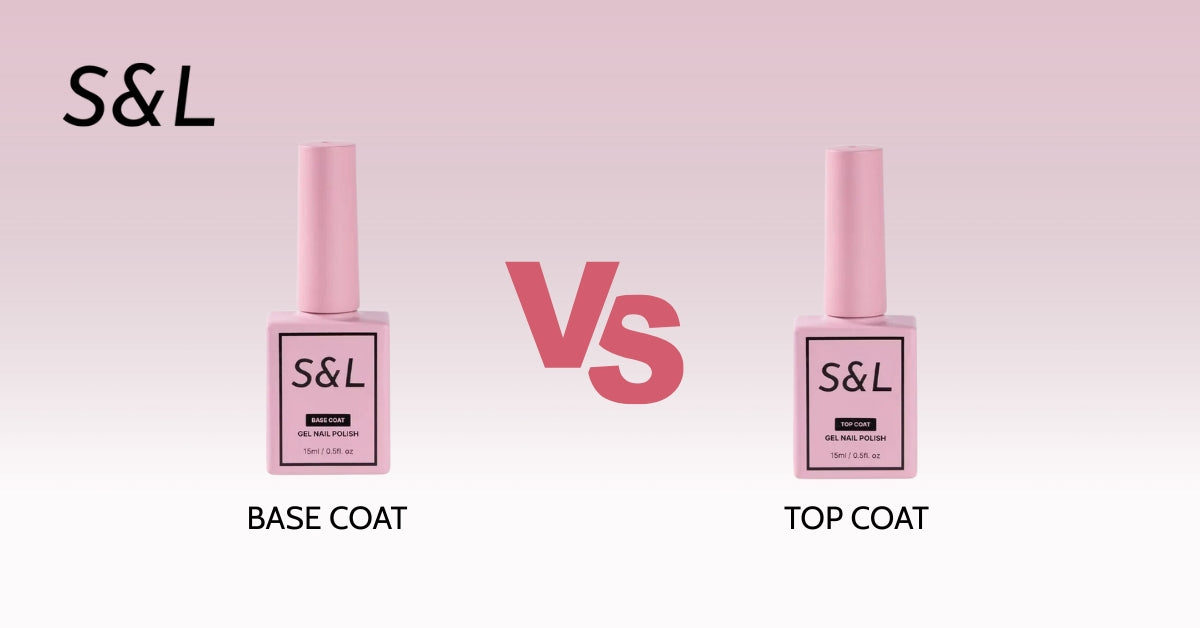
Understanding the difference between a base coat and a top coat is essential for nail health and longevity. A base coat bonds to the natural nail plate to prevent staining, while a top coat bonds to the polish to provide a high-gloss or matte finish. Skipping this step leaves the porous color layer exposed, leading to rapid chipping, dullness, and premature wear.

Main Functions of a Top Coat
The most obvious function of a top coat is to seal the color layers, effectively fusing them together to prevent chipping and peeling. By capping the free edge of the nail, it creates a watertight seal that stops moisture from lifting the polish. This structural reinforcement significantly extends the life of your manicure, allowing it to last up to two weeks (for gel) or several days longer (for regular polish).
Beyond durability, a top coat is responsible for the aesthetic finish of the nails, providing that coveted "wet look" shine or a trendy velvet matte effect. It also serves as nail protection against environmental stressors, such as UV rays which can cause pale colors to yellow or bright neons to fade over time. Modern formulas often include nourishing ingredients, turning this final step into a health treatment for your nails.
Key Benefits Summary:
- Seals & Bonds: Prevents chipping by locking in the color layers.
- Enhances Finish: Provides high-gloss shine or a sophisticated matte texture.
- UV Protection: Contains inhibitors to stop color fading and yellowing.
- Smoothes Surface: Levels out minor imperfections or brush strokes in the color polish.

Types of Top Coats
The nail industry has evolved significantly, and there is now a wide variety of top coats designed for specific purposes and finishes. You might choose a fast-drying top coat if you are in a rush, or a dedicated gel top coat if you are using a UV/LED lamp system. Specialized formulas can also offer treatment benefits, such as strengthening keratin or adding flexibility to brittle nails.
To help you navigate the options, here is a breakdown of the most common types available on the market:
| Type of Top Coat | Best For | Key Features |
| Glossy Top Coat | Classic manicures | Provides a "wet look," high-shine finish; the industry standard. |
| Matte Top Coat | Nail art & trends | Removes shine completely for a velvet, flat, and modern texture. |
| Gel Top Coat (No-Wipe) | Gel polish users | Cures hard under UV/LED light; requires no wiping of sticky residue. |
| Fast-Drying Top Coat | Regular polish | Contains solvents that evaporate quickly to set polish in minutes. |
| UV Protection Top Coat | Summer / Neons | High concentration of UV inhibitors to prevent sun-bleaching. |
| Plumping Top Coat | Thin nails | Thicker viscosity that mimics the look of gel on regular polish. |
How a Top Coat Works
On a chemical level, a top coat functions through a process of polymerization or solvent evaporation, depending on the formula. It creates a hard, cross-linked mesh over the nail surface that is significantly harder and more scratch-resistant than the color polish underneath. This hardened shell acts as a shock absorber, distributing the force of daily impacts across the nail to prevent cracking.
Furthermore, this layer prevents the formation of "microcracks" in the polish, which are usually the starting point for large chips. By smoothing over the texture of the nail polish, it reduces surface friction, meaning your nails are less likely to catch on fabrics or scratch against rough surfaces. Advanced bio-friendly formulas now use plant-based polymers to achieve this same protection without harsh chemicals.
How to Apply a Top Coat Properly
Applying a top coat might seem straightforward, but specific techniques can drastically improve the wear-time of your manicure. It is crucial to apply the product in a floating motion, where the brush glides over the liquid rather than dragging through the color layers below. For gel top coat application, ensure the layer is thin and even to prevent heat spikes during the curing process.
Step-by-Step Application Guide:
- Wait (for regular polish): Ensure the color layer is semi-dry to prevent dragging pigment. For gel, cure the color layer fully first.
- Load the Brush: Pick up a bead of product on one side of the brush.
- The Floating Stroke: Glide the brush down the center of the nail, then the sides, without pressing down hard.
- Cap the Free Edge: Swipe the brush horizontally across the very tip of the nail. This is the #1 secret to preventing chips.
- Clean the Cuticle: Use a brush dipped in acetone/alcohol to remove any product touching the skin before drying/curing.
- Dry/Cure: Let air dry fully or cure in a UV/LED lamp for the recommended time (usually 60 seconds).
Common Mistakes to Avoid:
- Applying too thick of a layer (causes bubbling or wrinkling).
- Skipping the "capping" of the free edge.
- Shaking the bottle vigorously before use (introduces air bubbles).

Choosing the Right Top Coat
Selecting the right product depends heavily on your lifestyle and the condition of your natural nails. If you have flexible, thin nails, a rigid glass-finish top coat might crack; instead, look for a flexible formula or a "rubber" gel top coat that moves with your nail. Conversely, if you work with your hands frequently, you need a hard, scratch-resistant UV top coat or diamond-strength formula.
Selection Guide by Need:
- For Brittle/Peeling Nails: Choose a nourishing top coat infused with Vitamin E or Keratin.
- For Long-Lasting Wear: Opt for a gel top coat (requires a lamp) or a "gel-like" reactive regular polish top coat.
- For Nail Art: A thick, viscous top coat helps smooth out the texture of glitter or encapsulated designs.
- For Time Constraints: A quick-dry drop or fast-drying formula is essential to prevent smudging.
FAQ Section
What is the main function of a top coat?
The primary function is protection and sealing. It locks in the pigments of your nail polish, prevents water absorption, and provides a hard barrier against scratches and chips, while simultaneously improving the aesthetic finish.
Can a top coat be used alone?
Yes, you can apply a top coat directly over a base coat or bare nails. This gives a "your nails but better" look—clean, shiny, and groomed—while offering a layer of physical protection against splitting and breaking.
How does it extend nail polish durability?
It acts as a sacrificial layer. When you type, wash dishes, or open cans, the top coat takes the abuse instead of the color polish or your natural nail. By capping the tip, it prevents the polish from lifting at the weakest point.
How long should I cure a gel top coat?
Always check the bottle, but the standard UV top coat curing time is 60 seconds in an LED lamp or 2 minutes in a UV lamp. Over-curing can cause yellowing or brittleness, while under-curing leaves the surface dull and prone to wiping off.
Conclusion
Understanding what is a top coat effectively elevates your home manicure routine from amateur to salon-quality. It is the unsung hero of nail care, providing the essential nail protection, shine, and durability that every manicure needs to survive daily life. Whether you prefer the instant dry of a regular formula or the bulletproof wear of a gel, this step should never be skipped.
We encourage you to experiment with different finishes—glossy, matte, or pearl—to find what suits your style. Explore the premium selection of top coats at SL Beauty Co to ensure your nails stay healthy, strong, and flawlessly finished.

Leave a comment
This site is protected by hCaptcha and the hCaptcha Privacy Policy and Terms of Service apply.